

The Wild Flavor
of Spring
From 12 acres of ancient Brandywine Valley forest — the earliest-emerging, most extraordinary wild ramps on the Eastern Seaboard. Sustainably harvested. Story in every bite.
Fresh season's over: Shop ramp salt, dehydrated bulbs, ramp butter, and more — the flavor doesn't stop when the harvest does.
The Shop
From Forest Floor
to Front Door
Fresh ramps, pantry staples, transplant stock, and gear for fellow foragers. Everything ships with our replanting guide.
Learn
Plant Your Ramps
and Eat Them Too
The Root Plate Method
When you cook with ramps, the root plate gets tossed. But that "waste" can grow a whole new plant. We're studying this with Penn State — and teaching everyone how to do it.
Harvest & Enjoy
Cook with the leaves and bulb. Keep ¼"–½" above the roots.
Plant the Root Plate
Push 2" into moist forest soil. Cover with leaf litter.
Wait & Watch
In 1–2 seasons, new leaves emerge. In 4–5 years: flowers and seeds.
Report Your Results
Scan the QR code in your order for a discount & to join our citizen science.
Experiences
Come Get Dirty
Walk the forest. Pull your own ramps. Learn what grows beneath your feet. Leave smelling like wild garlic (you're welcome).
Our Story
Where the Wild
Things Grow
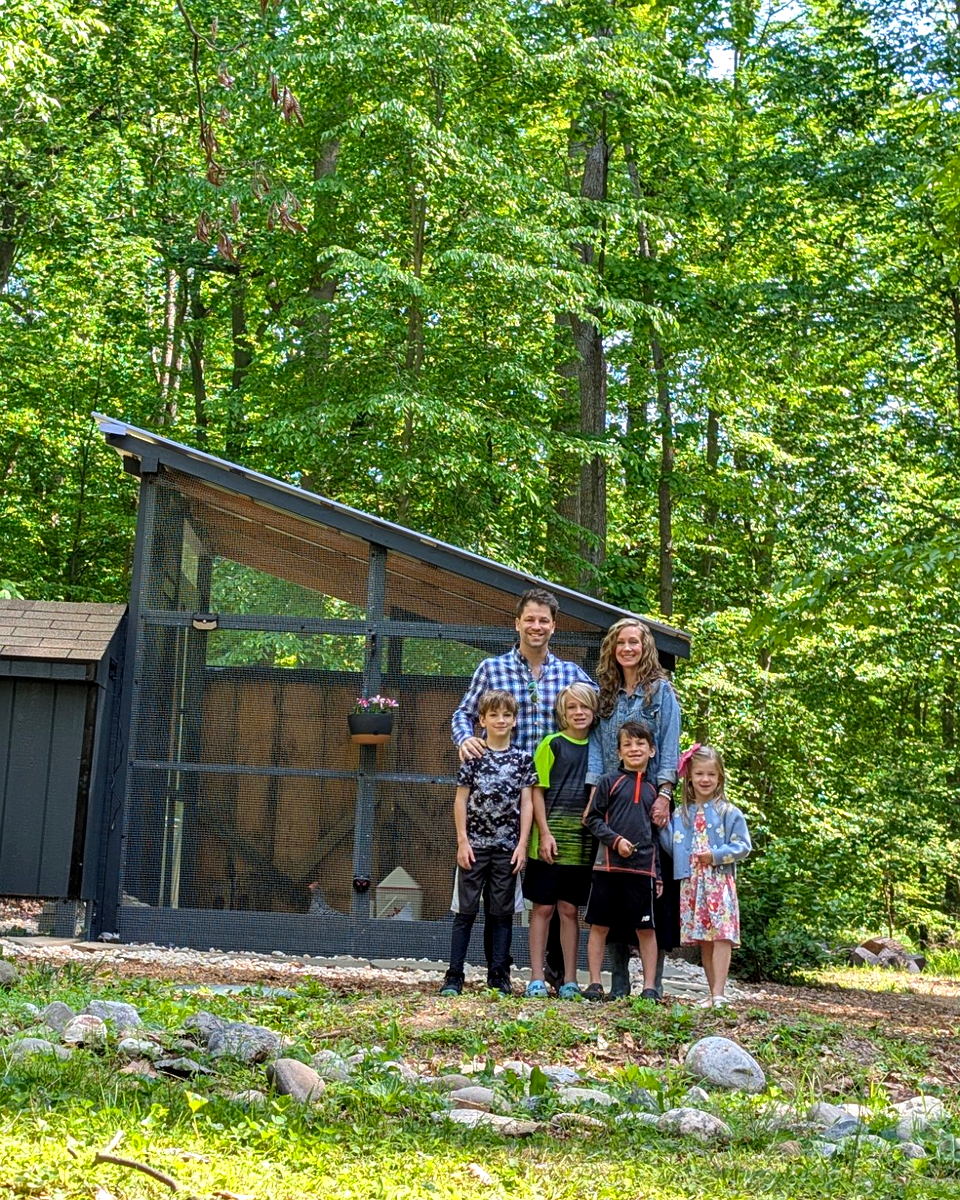
We acquired this land against all odds — and found a secret growing beneath the canopy.
JunXion Farm sits on 12 forested acres in Chadds Ford, Pennsylvania — the heart of Brandywine Valley, where the Wyeth family painted and Washington's army marched. Beneath the hardwood canopy, along what appear to be underground spring lines, grows one of the densest wild ramp populations in the region.
We didn't plant them. The forest did. Our job is to steward them, harvest them responsibly, teach others to grow their own, and — if we're being honest — occasionally argue about whose turn it is to wash them.
We're Ryan & Whitney, four kids, a Greek tortoise, chickens, a rabbit, a dog, cats, hermit crabs, and a recording studio. We take the ramps seriously. We take ourselves less so.